The two archetypes worth tracking
Most people who lose money on Polymarket don’t lose because they picked wrong. They lose because they have no idea who’s actually winning—and more importantly, how they’re winning. The leaderboard shows you a number: who’s up the most in profit. It doesn’t tell you whether that profit came from 8,000 micro-bets or 9 large ones. It doesn’t tell you if the wallet specializes in sports, crypto, or politics. It doesn’t tell you if the win rate is 50% or 75%. Two wallets with identical profit numbers can be doing completely different things, and blindly copying either one without understanding the difference is a fast way to lose.
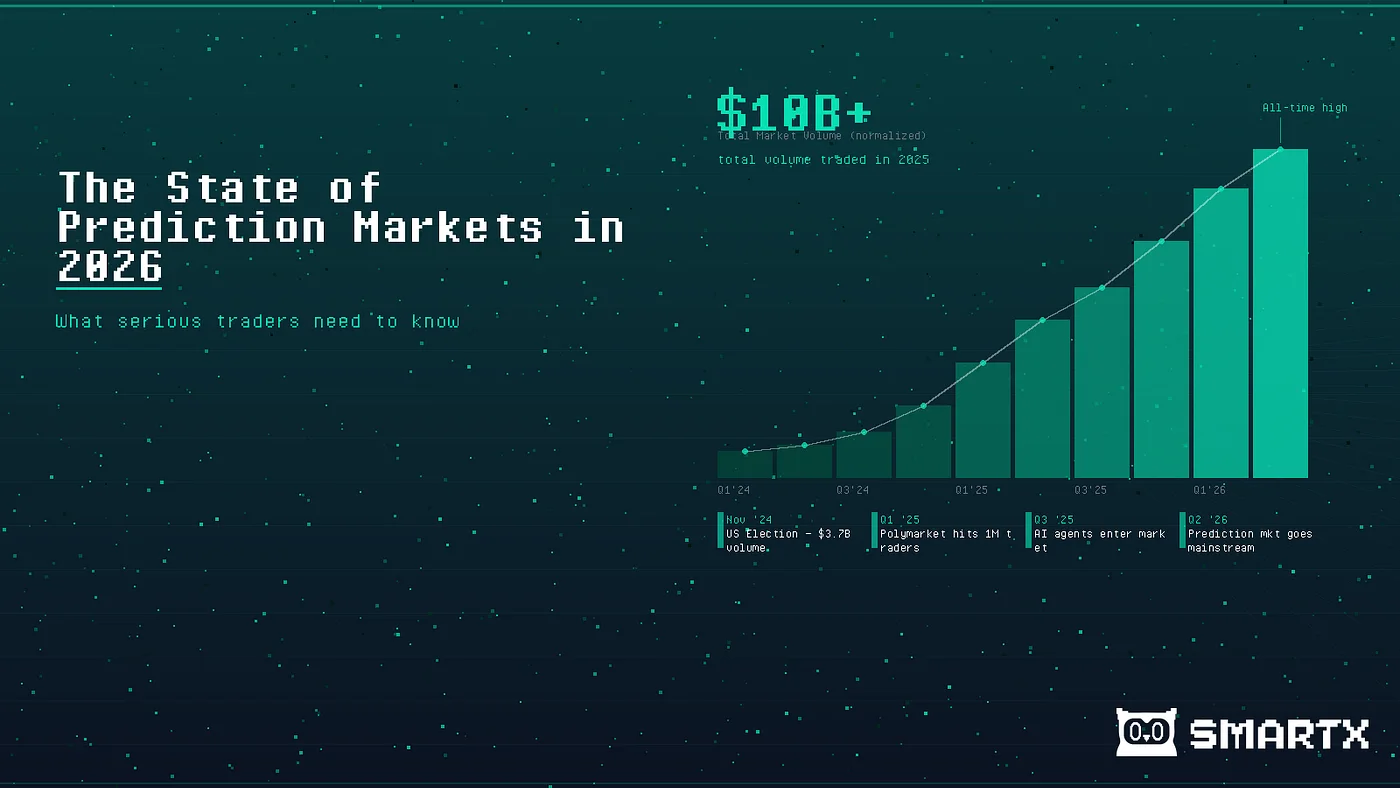
The gap between consistent winners and everyone else on Polymarket isn’t luck. Research published in 2024 found a small group of traders pulled roughly $40 million in guaranteed arbitrage from Polymarket in a single year. The top individual earner made over $2 million through systematic execution. These people aren’t better at predicting outcomes. They have structural advantages: better data reads, faster execution, and behavioral discipline that’s invisible on a basic leaderboard.
The high-frequency market maker
These wallets place hundreds or thousands of bets per week, usually small-sized, often in sports markets. Their win rate is often near 50%—because they’re not trying to be right more often than chance. They’re harvesting tiny edges repeatedly. A wallet with a 50.3% win rate and $4M in profit isn’t lucky—that’s thousands of iterations of a thin mathematical edge compounding.
You can’t follow this style manually. It requires automation and capital efficiency that individual retail traders can’t replicate.
The conviction player
These wallets place a handful of bets per week, sized large, with high selectivity. A wallet making 9 bets in a week, hitting 6 of them, and averaging $28,000 per bet is playing a different game entirely. These traders wait for high-conviction setups and size up when they’re confident.
Their flip rate—early exits—is often zero: they research a position and hold it. This is a style a retail trader can actually study and adapt.
Why behavior matters more than profit
The problem with most Polymarket analytics is they stop at PnL. A profit number doesn’t tell you the strategy, the risk tolerance, or whether the results are repeatable. A market maker’s edge doesn’t transfer to a conviction player’s approach. A sports specialist’s edge doesn’t transfer to political markets.
What you actually need to know when tracking smart money is:
- What category does this wallet win in—sports, crypto, politics, or current events?
- How many bets per week does it place, and at what average size?
- Is its win rate above 55%, suggesting genuine predictive skill, or near 50%, suggesting a structural edge?
- Does it hold positions or exit early?
These behavioral signals are all in on-chain data. They’re just not readable from a standard leaderboard.
How to use a smart-money tracker
A smart money tracker worth using doesn’t just show you who’s up. It shows you the behavioral fingerprint behind the profit: what style of trader this is, what markets they actually win in, and whether their approach is something you can realistically follow.
SmartX builds exactly this behavioral layer on top of Polymarket data. Every wallet gets auto-tagged based on how it actually trades—Market Maker, Consistent Winner, Short-term, Whale—and which categories it wins in. When you open a wallet, you can see within seconds whether it’s a high-frequency machine or a conviction sniper, and whether its edge is in sports, crypto, or political markets.
The practical use case: find wallets that trade the same categories you trade, with a win rate that suggests real skill, at position sizes you can realistically mirror. Watch where they’re moving capital before a market moves. That’s the behavioral edge that doesn’t require a PhD in optimization theory.
The mistake most traders make
The most common mistake is copying a wallet’s bets without understanding the wallet’s strategy. A retail trader who sees a market maker’s high-profit wallet and tries to mirror individual bets is playing a game designed for automated systems. A trader who copies a conviction player’s single massive bet without the same research context is following someone else’s conviction blindly.
Smart money tracking isn’t about copying positions. It’s about pattern recognition: learning what types of wallets win in which categories, what signals they act on, and using that behavioral data to make better-informed decisions about your own trades.
Track the wallets that matter
The data is all on-chain. The question is whether you have a tool that translates it into something readable in real time.
SmartX shows which wallets are consistently winning in your markets, what they’re betting on right now, and how their strategy compares to yours.
SmartX / Early access